Characteristics of PE Plastic
PE (Polyethylene) is a flexible thermoplastic resin with a semi-transparent white crystalline structure. It is widely recognized for its excellent flexibility, durability, and resistance to moisture. PE also provides outstanding electrical insulation, thermal insulation, and waterproof properties, making it one of the most commonly used materials in the plastics and packaging industries.
Thanks to these characteristics, PE is extensively used in the production of food packaging films, protective wrapping materials, plastic bottles, electrical cable insulation, and various construction materials. Its lightweight nature and ease of processing further contribute to its popularity across numerous industrial applications.
PE exhibits excellent chemical stability and does not react with acidic or alkaline solutions, potassium permanganate, or bromine under normal conditions. As a saturated hydrocarbon polymer, it offers reliable performance and long-term durability in a wide range of environments.
At elevated temperatures, PE remains insoluble in water, fatty alcohols, and solvents such as acetone. At temperatures above 70°C, it shows only limited solubility in certain organic solvents, including mineral oils, xylene, and toluene. These properties make PE suitable for applications requiring resistance to moisture and chemical exposure.
Applications of PE Plastic
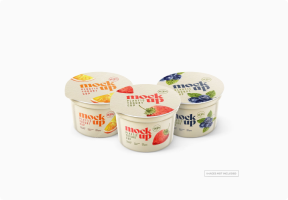
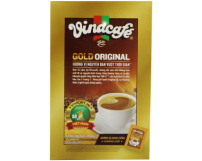
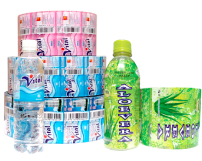
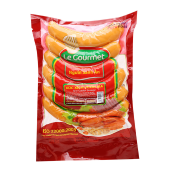
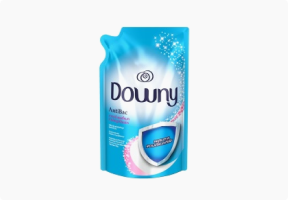
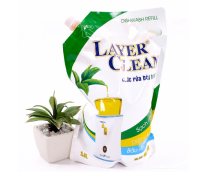
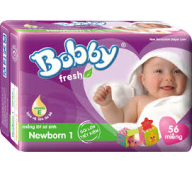
Due to its exceptional moisture-proof and waterproof properties, PE is widely used in the food, beverage, chemical, agricultural, and packaging industries. It serves as a key material for manufacturing plastic bottles, bottle caps, packaging films, shopping bags, industrial packaging, and various protective coverings.
One of the major advantages of PE is its ability to maintain flexibility and toughness even at low temperatures. It is also non-toxic and safe for consumer use, making it an ideal choice for food-contact packaging and household products.
In addition, PE is more economical than many other plastic materials, offering an excellent balance between performance and cost. For this reason, it is widely preferred by manufacturers for producing thin films, plastic bags, flexible packaging, agricultural films, and a broad range of customized packaging solutions for industrial and commercial applications.